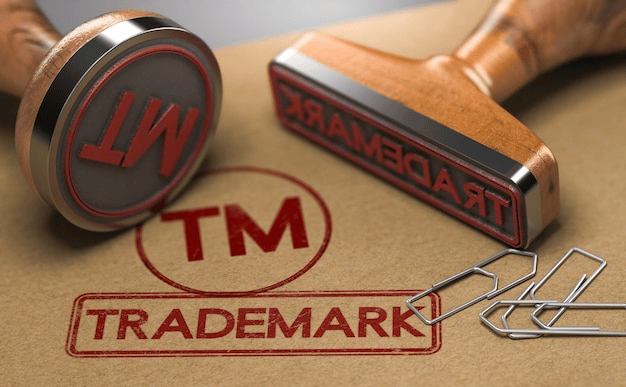
In branding and intellectual property, two small symbols carry enormous legal weight: ™ and ®. They may look similar, but legally they represent completely different levels of protection under the Trade Marks Act, 1999.
Understanding this difference can determine whether your brand is secure—or vulnerable.
What Does ™ Actually Mean?
The ™ symbol indicates that you are claiming rights over a mark. You do not need approval from the government to use it. Trademark rights under common law arise from actual use of the mark in commerce.
If you are the first to use a brand name, logo, or slogan in connection with specific goods or services in a particular area, you may acquire limited rights.
However, those rights come with serious limitations.
The Limitations of Common Law Rights
1. Geographically Limited
Common law protection extends only to areas where you can prove reputation. If your business operates in Mumbai, your protection may not automatically extend to Delhi or Bengaluru.
2. Difficult to Enforce
Without a registration certificate, you must prove:
- Date of first use
- Extent of goodwill
- Market reputation
- Consumer confusion
This makes litigation complex and expensive.
3. Limited Scope
Your rights apply only to the goods or services you are actively offering. Someone else could use or even register the same mark in a different class.
4. Risk of Being Overridden
Another party can apply for and obtain registration before you. Once registered, they gain statutory rights—even if you were using the mark locally.
This is the “Common Law Trap.”
What Does ® Mean?
The ® symbol can only be used once your trademark is officially registered with the Controller General of Patents, Designs and Trademarks.
Using ® without registration is illegal.
Unlike ™, the ® symbol represents statutory protection granted by law.

The Power of Registration
Completing online trademark registration gives you:
Nationwide Protection
Your registered mark is protected throughout India—even where you have not yet operated.
Legal Presumption of Ownership
Courts presume you are the rightful owner. The burden shifts to the opposing party.
Strong Remedies
You can seek:
- Injunctions
- Damages
- Seizure of counterfeit goods
- Recovery of legal costs
These remedies are significantly stronger than passing-off claims under common law.
Business Asset Creation
A registered trademark can be:
- Licensed
- Assigned
- Franchised
- Valued during investment or acquisition
Ten-Year Renewable Protection
Registration lasts 10 years and can be renewed indefinitely.
Real-World Consequences
Imagine building a successful brand for five years using ™.
You invest in:
- Marketing
- Packaging
- Website
- Customer loyalty
Then you receive a legal notice. A company in another state has secured registration for your brand name and now demands you stop using it.
You face three painful options:
- Rebrand completely
- Pay licensing fees
- Fight expensive litigation
This happens more often than businesses expect.
Cost vs. Risk
Many business owners hesitate due to trademark registration fees.
In India:
- Government fee: ₹4,500 (MSME/individual) or ₹9,000 (others)
- Professional fees vary
Compared to:
- Rebranding costs
- Loss of goodwill
- SEO loss
- Marketing replacement
- Legal battles
Registration is a small investment.
If you consult an experienced trademark lawyer in India, you also reduce the risk of objections, classification errors, and delays.
Common Misconceptions
“I’ve used this name for years.”
Use helps, but it does not equal statutory ownership.
“My company name is registered.”
Company registration does not grant trademark rights.
“I’ll register later.”
Someone else may register first.
“™ gives me full protection.”
It does not.
How Can We Safeguard the Brand Identities of a Company Through Trademarks?
Safeguarding a brand requires a structured strategy:
1. Conduct a Comprehensive Search
Check identical, phonetic, and similar marks across relevant classes.
2. Select the Correct Class
India follows 45 trademark classes. Incorrect classification weakens protection.
3. File TM-A Application
Submit trademark registration online with accurate details.
4. Respond to Examination
If objections arise, timely and strategic replies are critical.
5. Monitor Publication & Opposition
Marks are published for opposition before final registration.
6. Enforce & Monitor
Regularly monitor the market and registry to prevent infringement.
Step-by-Step Guide to Trademark Registration Process
- Conduct availability search
- Identify correct class(es)
- File TM-A application
- Receive application number
- Examination by registry
- Reply to examination report (if any)
- Show-cause hearing (if required)
- Publication in Trademark Journal
- Opposition period (4 months)
- Registration certificate issuance
You have to follow step by step Trademark Registration Process and professional handling ensures smoother online trademark registration and minimizes procedural setbacks.
The Legal Benefits of Having a Registered Trademark in India
- Exclusive nationwide rights
- Legal presumption of ownership
- Strong enforcement powers
- Enhanced brand valuation
- Ability to license and franchise
- Protection against counterfeiters
- Basis for international expansion
Under the Trade Marks Act, 1999, registration converts your brand into enforceable intellectual property. These all are the legal benefits of having registered Trademark in India.
The International & Digital Advantage
With global e-commerce and social media, your brand is instantly visible across India and beyond. Common law rights struggle in the digital era.
Through the Madrid Protocol, a registered Indian trademark can serve as the base for protection in multiple countries.
Without registration, your expansion plans remain legally fragile.
Conclusion
The difference between ™ and ® is clear:
- Claim vs. Ownership
- Limited rights vs. Nationwide exclusivity
- Vulnerability vs. Legal strength
Common law rights are temporary and limited. Registration provides certainty and enforceability.
Trademark registration is not an expense—it is brand insurance.
Choose protection.
Choose statutory rights.
Choose ®.
If you are serious about safeguarding your brand identity, securing proper registration, and building long-term legal protection, professional guidance makes a significant difference. You may consider taking assistance from an experienced intellectual property firm like Intellect Bastion, which can help you navigate searches, filing, objections, and enforcement with strategic precision.
Because when it comes to trademarks, prevention is always more powerful—and far less expensive—than correction.