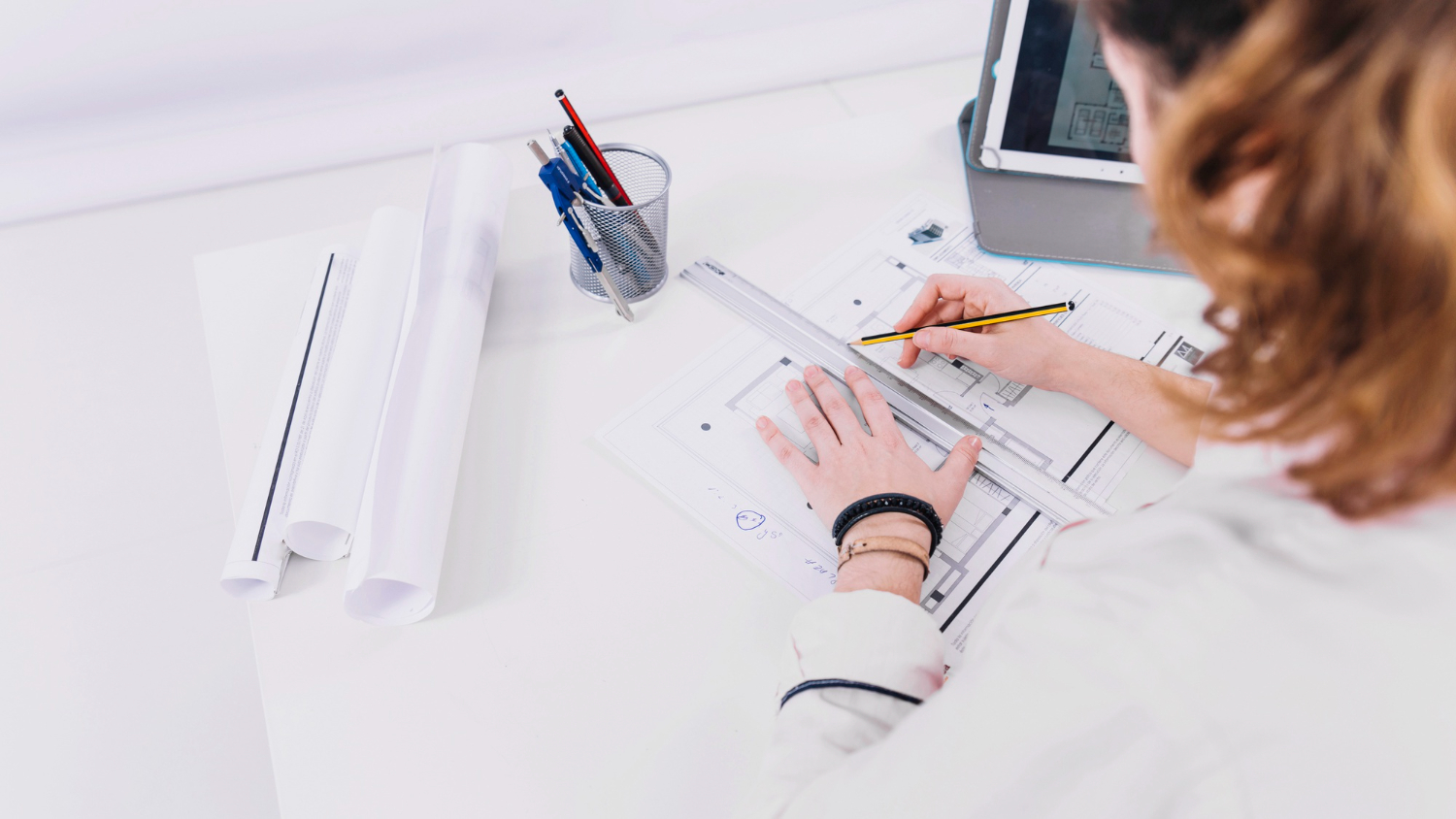
Patent drawing plays an important role in a patent application by actively illustrating the invention in a clear and precise manner. They help patent examiners, attorneys and third party to quickly understand the technical aspects of the invention without replying upon written descriptions. It is a rule whenever the inventor submits the application, he has to give visual drawings of the invention. This helps the examiner or viewer to easily understand the structure, function in simplified manner.
Inventors and patent professionals use drawings to highlight clarity, formatting and properly labelling so that it become easy for examiners to handle invention. In short, a patent drawing is a complement to written description. Thus, this ultimately contributing to a smoother and more successful patent grant process.
Importance of Patent Drawings:
- Helps to enhance the clarity of invention: Patent drawings beautifies the clarity of an invention by visually presenting its structure, components and working. Instead of relying only on complex written descriptions, they simply allow reader to understand the invention.
- Supports written descriptions and claims: The actively support the written description and claims by proving a visual reference which is easy to read as compare to written descriptions as they are bit long. This basically strengthens the invention and make it more effective.
- It helps the examiner to better interpret: Patent drawings helps to interpret the invention to the examiner. Examiners rely on the visuals to understand intricate details and know about functional aspects of invention. Clear and well labelled drawings reduce ambiguity and enable faster and more efficient examination.
- Required in most Patent examiners: In most patent applications, drawings are not just helpful- they are very important and essential. For inventions words alone cannot achieve clarity is also needed to understand the patent application.
UNDERSTANDING THE TERRITORIAL NATURE OF PATENTS:
When an inventor files a patent application, the drawing will fall under only applied jurisdiction and right they receive remain limited to that specific country. Patents drawings works under the principle of territoriality which means each country grants, applies and control in its definite borders according to the law governed in the Country.
Inventors must take some active step if they want to save their invention in multiple country.

They cannot rely on a set of drawings to secure global protection as different patent offices may have different formal and technical drawings requirements. They must file a separate application in each country where want legal protection. Each Country can follow their own Patent laws, examination process and legal enforcement system. Patent office in one country may work accordingly and they have different way to interpret novelty, inventive step and industrial applicability. Patent offices in different countries may interpret drawing clarity, formatting, reference numerals and compliance standards differently. This all helps smooth patent filing in India as drawings sheets are necessary document which can help patent application to be granted. As a result, it is not necessary that if an invention qualifies for a Patent in one Country it will qualify for another country.
Meaning of Patent:
A patent basically protects the functional invention. It gives the inventor the legal right to stop others from copying and using the invention for their purpose. It focuses on how invention works, operated and used for commercial purpose. It covers the product, process and new machines. To protect the invention the government has given the provision of patent grant where you can secure your invention and use it for marketing and business purpose.
To get a Patent registered the invention must be novel, useful and must have inventive step involved in an invention. Patent help business to protect their innovation and stay ahead of competitors.
Patent Laws in India:
According to Indian Laws Patent filing is governed under Patents Act, 1970, which explains the rules and procedures of Protecting inventions and penalties for infringing the said law.
As per Patents Act, 1970 when you file for Provisional Patents you must submit the Complete Patent application within twelve months. If you fail to apply for Complete Application your application will be treated as abandoned by the Patent Office and it will lead to loss of earlier right. There is no refund of money as well that you had invested while applying for Provisional Patent Filing.
General Requirement of Patent Drawing:
- Drawing mut be clear and legible: Patent drawings must be clear and legible so that anyone reviewing the applications can easily understand the invention. Applicants should ensure that all lines, figures and reference numbers etc.
- Should be in black ink: Applicants should prepare drawings in black ink and avoid using colours unless very necessary. Applicant must ensure that all lines , figures are professionally made.
- Must be on A4 sheet paper: Applicant must submit patent drawings on A4 sheets as mentioned under rules. Using the correct paper size ensures standardization and allows patent office to store sheets nicely. These all helps the applicant to ensure that his invention won’t get rejected.
- Proper margins must be maintained: Applicants must submit patent drawings with proper margins according to the rules and procedures. Adequate margins provide space for official markings, numberings and annotations by the patent office.
- No unnecessary text and decorations: Patent office rejects drawings with unnecessary decorations. Patent office is more focussed on the technical representation and reference numerals. By keeping drawing clean, simple and technical applicants ensure better clarity with formal requirements and reduce the chances of objections.
Are Patent drawings being necessary?
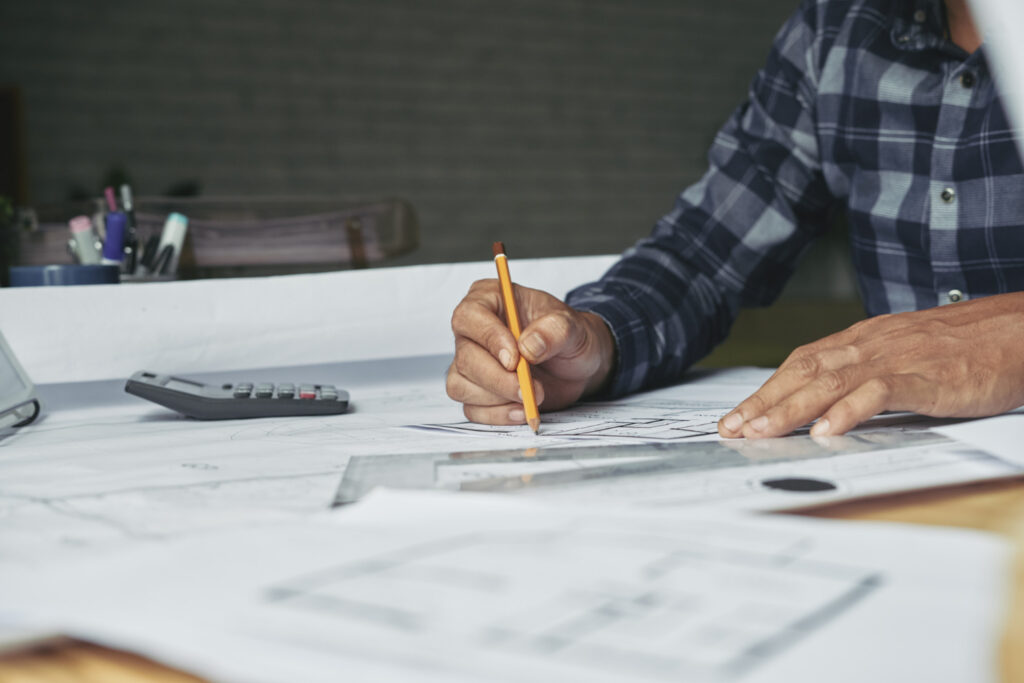
Patent drawings are not always necessary and mandatory, but applicants must include them when the invention cannot be clearly understood though written description alone. If invention involves complex structures, mechanical components, processes or systems, drawings become essential to properly disclose how invention works.
Patent Office aspects the applicant to provide sufficient visual support whenever necessary to ensure complete clarity. Simple invention might not need drawing but complex and most technical patent applications rely on them to meet legal and examination requirements.
Can I create the patent drawing myself?
Yes, you can create patent drawings yourself, provided if you are able to meet all the prescribes legal and technical requirements. Applicants usually prepare their own drawings when the invention is simple and easy to illustrate.
However, the recommend is to take professional help as that strongly recommend using their expertise and they understand the complex invention more accurately. Patent Companies and expert understands the specific standard required under patent laws and ensure that the drawings are precise, consistent and legally compliant. There are less chances of objections when we take help from experts and increases the chances of smooth and successful patent grants.
How many drawings should be included?
Applicants must include as many as drawings as required to fully explains the invention. There is no fixed number of drawings provided by patents office and its rules. Applicant should ensure that important compositions, variations and working aspects of inventions properly illustrated. By including sufficient and relevant drawings, they provide complete disclosure, reduce ambiguity and help examiner to understand invention.
What are specific Technical Requirements?
- Line Quality: Applicants must ensure that all lines in patent drawings appear dark, uniform and well defined. Applicants must use proper tools or software to maintain uniform thickness and avoid irregularities.
- Numbering Figures: Applicant should label each drawing clearly as Fig.1, Fig.2… , to ensure proper identification. They must follow the logical sequence while numbering and maintain consistency figures.
- Reference Numerals: Applicants must assign reference numerals to each element of the invention shown in the drawings. The numerals act as identifies and must corresponds with the description provided in the specification. Applicant must use reference numbers to same part across all the figures. This practise helps to avoid confusion and helps the examiners to easily relate the drawing with the description of the invention and other written content.
- Scale Proportion: Applicant should prepare drawings to scale whenever necessary so that the relative size and arrangement of components remain accurate. Even when the exact scale is not mandatory, thy must maintain correct proportions to show the real side of invention.
Conclusion:
Patent drawings play an important role in strengthening a patent application by clearly illustrating the invention and supporting the written description. Applicants must ensure that their drawings meet all legal and technical requirements, like clarity, proper formatting, consistent numbering, and accurate representation. Nicely prepared drawings help examiners understand the invention easily and technically helps to reduce the chances of objections, and speed up the examination process. By focusing on simplicity, applicants can significantly improve the quality of their application and increase the likelihood of a successful patent grant.
In addition, applicants should treat the patent drawings as a strategic tool so this helps them to have the patent application granted. Neat and Clarity of drawing sheets help the viewer to have an easy understanding. High quality drawing not only demonstrate the attention but also reflects the seriousness of the application.
At Intellect Bastion, we have expert who delivers the precise and high-quality patent drawings which meets requirements of patent offices. We actively prepare patent drawings whether your invention involves mechanical structure, software structure or complex structure we ensure that every detail is illustrated with clarity and precision.
Author: Shreya Sinha
IPR Assistant at Intellect Bastion