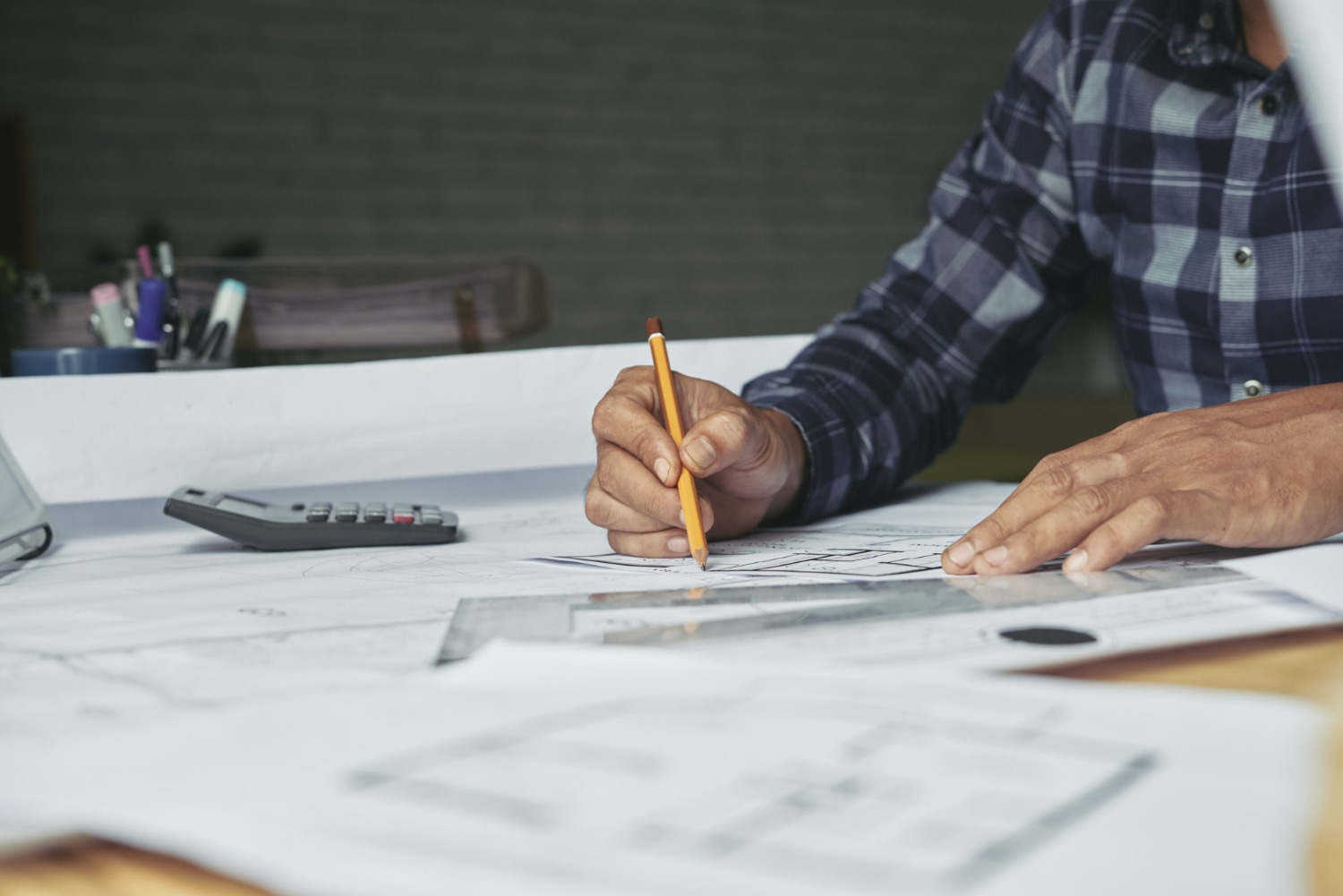
In Patent drafting is a process of preparing a detailed and legally sound patent application that describes an invention and defines the scope of protection. It is one of the most important and vital steps in getting patent rights because the strength of a patent mostly depends on how well the Patent is drafted. The drafting skills is one of the core parts of Patent registration as this explains the invention and helps the examiner to understand it easily.
A nicely drafted patent not only protects the invention but also prevents competitors from exploiting loopholes. It requires a mixture of knowledge, technical understanding and strategic thinking.
What is a Patent?
A patent is a legal right granted by the government to an inventor, giving them extra ordinary rights to make, misuse, sell or commercialise their invention for given period generally 20 years. This helps the inventors to safeguard their inventions and encourages technological growth and ensures protection.
Patent Laws in India:
According to Indian Laws Patent filing is governed under Patents Act,1970, which explains the rules and procedures of protecting inventions and penalties for infringing the said law.
As per Patents Act, 1970 when you file for Provisional Patents you must submit the Complete Patent application within twelve months. If you fail to apply for Complete Application your application will be treated as abandoned by the Patent Office and it will lead to loss of earlier right. There is no refund of money as well that you had invested while applying for Provisional Patent Filing.
Importance of Patent Drafting:
- Ensures Enforceability in legal Disputes: A properly drafted patent boosts its applicability in courts. Since judges rely om wordings of patent, it must be clear, precise language helps in defending the invention against infringement and supports legal arguments.
- Prevents competitor Infringement: A property drafted patent strengthen its enforceability in courts. This approach prevents competitors from copying or making minor modification to bypass the patent preparation.
- Enhances Commercial Value of the invention: A strong patent draft increases the market value of the invention. Business investors and inventors more focuses on the Patent registration as it secures their right for long term and attract commercial growth in the market.
- Avoid weak protection and Rejection: Poorly drafted patent mistakes often lead to rejection during examination ort result in weak protection. This makes it easier for competitors to utilise loopholes which reduces the overall effectiveness and value of the patent.
Elements of Patent Drafting:
- Title of Invention: The title of the invention plays an important role in setting the first perception of a patent application. It must clearly and concisely reflect the core idea of the invention without being overly broad, vague or misleading.
A well drafted title enables readers, patent examiners quickly understand the subject matter of the invention.

- Field of invention: This explains the field of which invention belongs. It helps the examiners, researchers and readers immediately understand the area of technology involved.
- Background of the invention: The background of the invention gives the understanding that why it the invention is important. This section plays a vital role as it provides with the necessity and relevance of invention. A well drafted background helps in identifying gaps and mistakes. However, the drafter must present this analysis objectively, without making unnecessary admissions that could weaken the patent`s scope as well.
- Object of Invention: It outlines the main and primary goals and merits of the invention as well. It connects with the problem checks the background with the solutions offered by the invention. In drafting this section, the drafter lists the primary objective of the invention and explains the aspect of invention. This all gives the quick reference to the examiner who may not read the whole specification details.
- Detailed description: The detailed description is a backbone of the patent application. It provides a comprehensive explanation and replicate it. The details help in ensuring the clarity, completeness and technical accuracy. Each element must be explained in detailed so there should not be any discrepancy at any stage.
- Claims: These are most critical part of a patent application, as they define the legal boundaries of the invention as well. They check what is to be protected and what falls aside these patents. The drafter must carefully structure using the clear language. Claims aligns the details of the description and remain supported by it. Strong claim enhances the value of invention and commercialise in the market. They enable patent holder to take legal action against who breached the legal right of Inventor.
- Abstract: The abstract provides a summary of the invention, typically within 150 words. It basically offers the quick overview to understand the essence of invention. The drafter has to manage the abstract as it heavily reflects the features, purposes, and functionality of invention. It should not include legal arguments or detailed explanations.
Common Mistakes while drafting Patent:
- Writing vague claim: Drafters often make the mistake of writing claims too excessively broad. Such claims may lack clarity and fail to define the invention precisely. If the claims are overly broad, they can be rejected or challenged easily. Hence, claims should be strong and enforceable protection.
- Lack of sufficient details: A patent application must provide enough technical information to enable a person skilled in art to replicate the invention. When there are less sufficient details, it may fail to get patent granted. Clear and comprehensive disclosure is essential for a strong patent.
- Ignoring Prior Art: There should be proper check on prior art to check if there are already existing technologies. This will reduce the risk pf challenges and rejection. A thorough understanding of prior art helps position the invention. Proper structuring ensures clarity, improves readability and enhances overall growth of invention.
- Poor Structure of Specification: A poorly made specification can lead to confusion for examiners and legal authorities. If sections are not logically arranged and clearly arranged it becomes difficult to understand the invention. It improves the clarity, improves readability and increases the growth of invention which will be patent granted.
- Inconsistent Terminology: Using different fir the same element throughout the patent can create ambiguity and confusion. Language is the key to understand the object of invention. It basically maintains clarity and remove confusions.
Can anyone draft Patent?
Yes, any individual can draft patent and file patent application. Patent laws do not mandate that only professionals can prepare a draft. An inventor who understands his invention can attempt to write the specification and submit it to the patent office.Patent drafting involves the combination of legal expertise and technical knowledge. The drafter must understand patent laws, claims structure and disclosure requirement while also correctly explaining the invention.
Skills required for the Patent Drafting:
- Strong Technical Knowledge: A patent drafter must possess strong technical knowledge works, its components, and its practical applications. Without solid knowledge it is difficult to describe the invention accurately or also one can miss critical details.
- Understanding the Patent Laws: Knowledge of patent laws is essential for effective drafting. The drafter must understand legal requirements such as inventiveness, novelty and industrial applicability. This all helps paten t to be granted and understood well.
- Analytical and Research skills: Patent drafting is a skill which comes with experience. Many IP firms and lawyers are able to learn their skills which helps to easily understand the core of the invention. The drafter uses the clear and unambiguous language to avoid misrepresentation.
- Deal with legal challenges: A skilled patent drafter must be able to anticipate the legal challenges and objections. This includes identifying possible around by competitors and prevent the invention from copycats and make patent granted.
How long should a patent draft be?

- No fixed length requirement: There is no prescribed length for a patent as it varies invention to invention based on nature and work.
- Depends on Complexity: Simple inventions require shorter drafter, while complex inventions need more detailed and extensive descriptions.
- Must Enable Replication: They draft must include enough technical detail to allow a person skilled in the art to understand and replicate the invention by inventor.
Conclusion
Patent drafting is a fundamental role in securing the patent granted. As mentioned above that while drafting a patent one should be technically sound and have skill and experienced in drafting as it is the very important version which will decide about grant of patent and objections and rejections of the Patent application. The drafting process requires a careful planning and research and attention towards each and every details. Therefore, avoiding common mistakes and following a structured drafting approach is essential for obtaining effective patent protection.
In conclusion, a well thought approach not protects your right but it helps you to commercialise in market. This all can be protected by our Intellect Bastion this not only protect your rights but also provide focussed help at every stage. We have strong understanding of Patents and other IP protections.
Author: Shreya Sinha
IPR Assistant at Intellect Bastion